
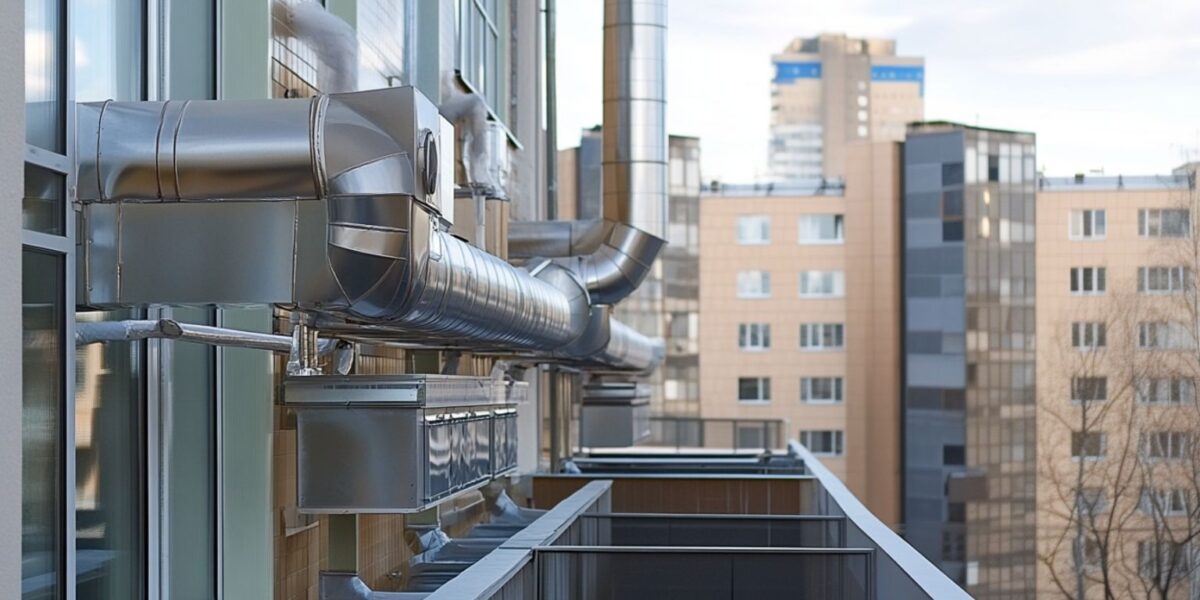
The importance of microclimate control in buildings cannot be overstated. The optimal temperature has a significant impact on the comfort of people. This is especially true for large facilities. These include supermarkets, shopping and entertainment centers, and high-rise residential buildings.
The solution to the problem is the availability of engineering systems:
- heating
- ventilation
- air conditioning.
Heat exchangers perform an important function in their operation. They ensure efficient heat transfer. Plate heat exchangers are often used for these facilities. These components are characterized by high efficiency and the ability to work with various coolants.
It is important to choose the right equipment, because heat exchangers for central heating and air conditioning systems must differ in their characteristics. Therefore, it is best to entrust the selection of equipment to professionals.
Types of heating systems
They can be divided into two main types. Centralized heating systems are used in multi-storey buildings. In them, one powerful boiler heats an entire building or neighborhood. A plate heat exchanger (network heater) is used to separate the boiler circuit from the heating system.
Decentralized systems are individual boilers that are installed in each apartment separately. Electric heaters and underfloor heating systems are also popular solutions. They are often used in private homes.
Regardless of the heat transfer medium used for heating systems, heat exchangers are an important element of efficient heating. They are installed in systems of any type. A plate heat exchanger for heating minimizes heat loss and reduces energy costs.
Types of ventilation and air conditioning systems
As for ventilation and air conditioning systems, they are also different.
Ventilation can be mechanical, where the air circulates with the help of fans. The second option is natural, when it circulates through windows or ventilation shafts.
In air conditioning, there are split systems (used for individual rooms) and central units (serving entire buildings). Both systems use heat exchangers for cooling, providing a stable microclimate in buildings.
Heat exchangers in heating, ventilation and air conditioning systems
The heat exchanger for air conditioning and heating systems plays a significant role in ensuring the efficient operation of the equipment. Thanks to their design, the devices allow heat or cold to be transferred between media with minimal losses. This makes them indispensable in modern systems.
Application in heating
A heat exchanger in a heating system is responsible for transferring heat from a source (such as a boiler or heat pump) to a heat transfer medium that circulates through pipes to heat the room. Particularly popular in this segment are plate heat exchangers for heating, which have a high heat transfer coefficient. They can operate at close temperatures of the heat carrier and the heated medium, as well as low pressure losses. This helps to reduce operating costs by increasing system efficiency.
Thanks to the use of heat exchangers, the heating system becomes more flexible. Different types of heat transfer media (water, glycol solutions) can be used here, adapting to the needs of a particular facility and climatic conditions.
Applications in ventilation and air conditioning
In ventilation, heat exchangers provide the necessary heat or cold transfer. For cooling systems, heat exchangers are often used for ventilation or air conditioning. They help maintain a comfortable indoor temperature even during the hot season. One of the modern solutions is the use of adiabatic cooling, where heat exchangers cool the air by evaporating water. This reduces energy consumption.
Ventilation systems also require heat exchangers to be able to transfer heat or cold efficiently with minimal energy costs. This will help maintain a healthy microclimate, optimize energy consumption, and reduce equipment wear and tear.
Benefits of using heat exchangers
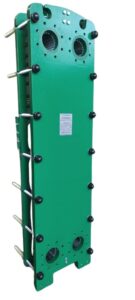 The use of heat exchangers in solutions such as air conditioning, ventilation or heating systems brings many advantages. These include energy efficiency, durability, and minimized maintenance costs.
One of the main advantages is high energy efficiency. Thanks to its sophisticated design, the heat exchanger can operate with minimal losses. Thus, it is possible to save significantly on energy resources. This plays an important role in large facilities where energy consumption for heating or air conditioning can be significant.
Plate heat exchangers for cooling or heating maximize energy efficiency, helping to reduce operating costs.
Using heat exchangers for cooling can reduce overall energy consumption. For example, in adiabatic cooling systems, heat exchangers can cool the air with minimal energy consumption.
Modern heat exchangers are characterized by high durability. Made of corrosion-resistant materials such as stainless steel, they are designed for many years of operation even in the most difficult conditions. This makes them a reliable element in any system.
In addition to their durability, the heat exchangers require minimal maintenance. They are designed so that contaminants have a minimal impact on performance. Periodic cleaning and monitoring of the equipment are the main measures that help to keep heat exchangers in good working order for a long time.
Savings and environmental benefits
The use of heat exchangers helps to optimize energy costs. This brings significant environmental benefits. Such devices are becoming an important part of the drive for sustainable development, reducing the carbon footprint of various engineering systems.
Heat exchangers can significantly reduce energy consumption through the efficient transfer of heat or cold. This leads to cost savings, especially in large facilities with large areas. The energy efficiency of heat exchangers is particularly important for industrial facilities, where even a small improvement in system performance can lead to significant savings in the long run.
By reducing energy consumption, wear and tear on the main equipment is also reduced. This extends its service life and reduces operating costs.
From an environmental point of view, heat exchangers contribute to the reduction of greenhouse gas emissions by reducing the need for electricity or fossil energy sources required to keep the systems running. For example, by using adiabatic cooling, which effectively combines natural processes with minimal electricity, the environmental impact is reduced.
In addition, modern heat exchangers can work with alternative energy sources such as solar panels or heat pumps. This further reduces dependence on traditional energy sources. This approach reduces the carbon footprint of a building, helping companies meet strict environmental standards.
Advantages of Teplo-Polis heat exchangers for ventilation, heating and air conditioning systems
Heat exchangers by Teplo-Polis are complete solutions for heating (ventilation) systems. They provide high performance, durability, and reliability. The devices are designed to meet modern energy efficiency requirements. They are ideal for various objects – from residential buildings to large commercial buildings.
Main advantages:
- One of the main advantages of Teplo-Polis heat exchangers is their ability to provide high energy efficiency. Thanks to their advanced design, the heat exchangers transfer heat efficiently, minimizing energy losses. This is important for systems where maintaining a stable temperature requires significant energy consumption. The use of Teplo-Polis heat exchangers can significantly reduce operating costs while improving overall system performance.
- Teplo-Polis heat exchangers are made of high quality materials. They are durable and resistant to aggressive environments. They are not susceptible to corrosion. This is important for heating systems where performance can be high. Plate heat exchangers for heating by Teplo-Polis are designed for a long service life with minimal maintenance costs. Regular cleaning in combination with periodic maintenance ensures stable operation of the equipment for many years.
- Teplo-Polis heat exchangers are easily integrated into HVAC systems. They can work effectively with various heat transfer media and adapt to the individual requirements of the facilities.
- Teplo-Polis products help reduce the negative impact on the environment. By reducing energy consumption, heat exchangers contribute to the economical use of resources. This makes the company’s products equally attractive for the residential sector and large enterprises striving for sustainable development.
Teplo-Polis heat exchangers are a combination of advanced technology, reliability, and efficiency. They are optimal for any facility that requires a high-quality ventilation, heating or air conditioning system.
Heat exchangers play an important role in ensuring the efficient operation of systems, especially in large facilities. The use of modern solutions can significantly improve energy efficiency and reduce operating costs. This is an important factor in the context of rising energy prices.
Last Updated on by Микола Фролкин