
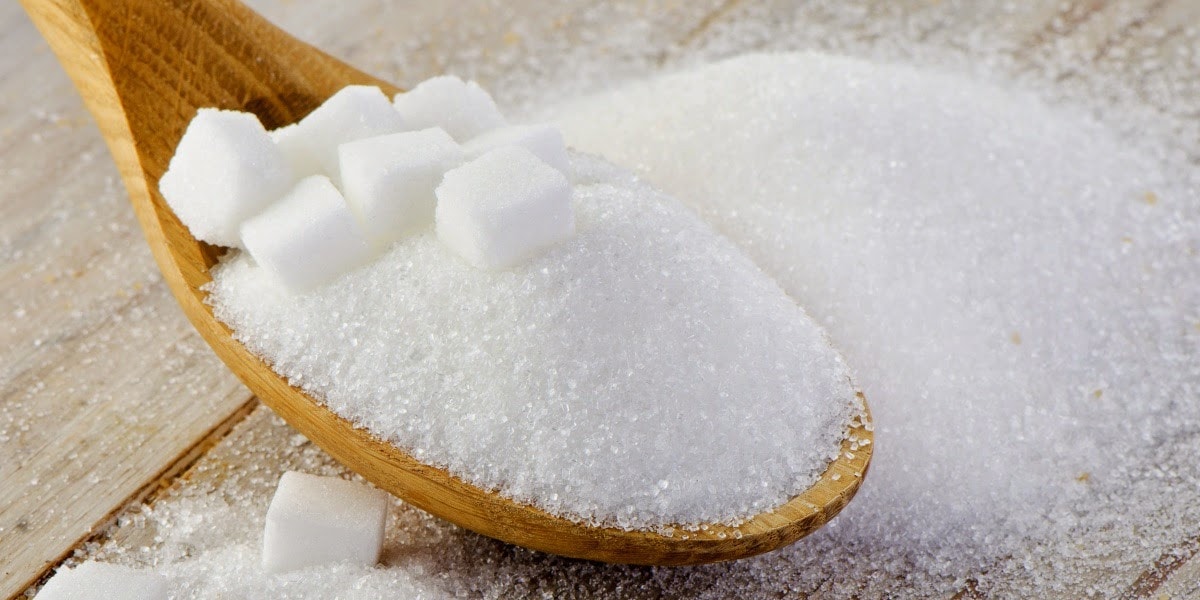
The sugar industry is characterised by high energy intensity of technological processes, primarily related to beet processing. The efficient utilisation of thermal energy plays a decisive role in ensuring the smooth operation of production lines. Heat exchangers become an integral part of this chain, allowing to optimise heating and cooling processes, to reduce heat losses and, as a consequence, to reduce overall energy costs. By utilising modern equipment for the sugar industry, the quality of the end product can be improved, which is particularly important in an increasingly competitive sugar market.
Importance of heat exchangers in sugar production
In sugar production processes, heat exchangers fulfil a key function, ensuring stable and efficient transfer of thermal energy. Factors influencing the use of this equipment for sugar factories:
- Modern heat exchangers are able to provide high efficiency even at small temperature differences between heat carriers.
- The use of such systems allows efficient utilisation of heat, which is considered inefficient under traditional conditions.
- Thanks to the clever design and modern materials, this sugar equipment is easily incorporated into the complex of systems in factories, ensuring the stability of the technological process.
Heat exchangers are an essential element of modern sugar production, helping to reduce costs, increase productivity, and improve product quality.
Main processes requiring heat exchange
In sugar production, heat transfer plays a critical role in all stages of the process cycle. Below is a list of the main processes where such sugar refining equipment can optimise production performance.
Heating of the diffusion juice
This step prepares the juice from the borage sugar extraction for further processing. Temperature control helps to improve the efficiency of sugar extraction and minimise losses.
Heating of defect juice
After pre-cleaning (defecation) of the sugar juice, it is heated to stabilise the liquid properties and prepare it for the next processing steps. This step is important to ensure homogeneity.
Heating of extracted juice before filtration
The juice is heated prior to filtration to remove impurities associated with sulphur-containing compounds. This improves filter permeability and reduces the likelihood of precipitation.
Filtration juice heating
The filter juice, which has been cleaned of mechanical impurities, is heated to optimise the concentration and crystallisation of the borage sugar. Precise temperature control ensures high productivity in the subsequent operations.
Cooling of the filtration juice
Temperature control at this stage prevents premature crystallisation, ensuring uniform heat distribution and process stability.
Cooling of the filter syrup
After evaporation and filtration, the syrup is cooled to stabilise its physical properties and prepare it for crystallisation. Efficient cooling reduces the risk of overheating and deterioration of the final product.
Heating of masterbatch
The masterbatch is the concentrated mass obtained after the initial crystallisation of sugar. Its heating allows the viscosity to be corrected and the conditions for crystal formation to be improved.
Heating of white treacle
White treacle, a by-product of processing, is heated to reduce its viscosity, which facilitates further processing and allows it to be used as a secondary raw material.
Heating of green molasses of the first product
Green molasses containing residual sugars and impurities is heated to increase its processing efficiency and optimise sugar extraction processes.
Cooling of molasses
The molasses, which is a concentrated residual product, is cooled to prevent unwanted crystallisation.
Heating of green molasses of the second product
At this stage, the green molasses is reheated to improve the release of the remaining sugars and prepare the liquid phase for further processing.
Heating of green molasses third product
The third fraction of green molasses also undergoes a heating stage aimed at extracting as much sugars as possible, reducing energy costs by optimising heat transfer.
Heating of raw sugar clusters
The process of clustering (clarification) of raw borage sugar requires precise temperature control for optimal clarification reaction and subsequent formation of pure sugar crystals.
Heating of the refining effluent
In affinity plants, the effluent generated after sugar purification is heated, which promotes heat redistribution and improves the efficiency of the re-extraction process.
Heating of raw sugar clusters in front of the saturator
Before being fed to the saturator (a device for further processing of raw sugar), the clusters are heated to ensure optimum crystallisation conditions and to improve the characteristics of the final product.
Use in evaporators
Evaporators are the heart of the sugar juice concentration process. Here, heat exchangers provide heat transfer to evaporate excess moisture, which leads to an increase in sugar concentration and prepares the syrup for crystallisation.
Each of these steps requires precise temperature control, which makes the use of modern heat exchangers indispensable for the sugar industry.
Features of heat exchangers selection for sugar factories
When selecting equipment for the sugar industry in Ukraine, it is important to take into account the specifics of the technological process and the required performance indicators.
The main selection criteria:
- The equipment must provide the required capacity and heat transfer rate.
- Stability of operation and longevity of heat exchangers is critical for a continuous production cycle.
- The ability to carry out maintenance and repairs quickly maintains a high level of productivity.
- In the sugar industry, it is important that the equipment fulfils strict hygiene and sanitary requirements.
Advantages of co-operation with Teplo-Polis
Teplo-Polis’ company has extensive experience in the production of heat exchange equipment, which is confirmed by the successful implementation of many projects in various industries, including sugar production. The main advantages of working with Teplo-Polis are as follows:
- Each solution is tailored to the specifics of production.
- Modern technologies and strict quality control at all stages of production.
- Comprehensive customer support from design to installation and subsequent maintenance.
Cooperation with Teplo-Polis helps to achieve maximum production efficiency by providing customised solutions, high quality and professional service.
Last Updated on by Микола Фролкин