
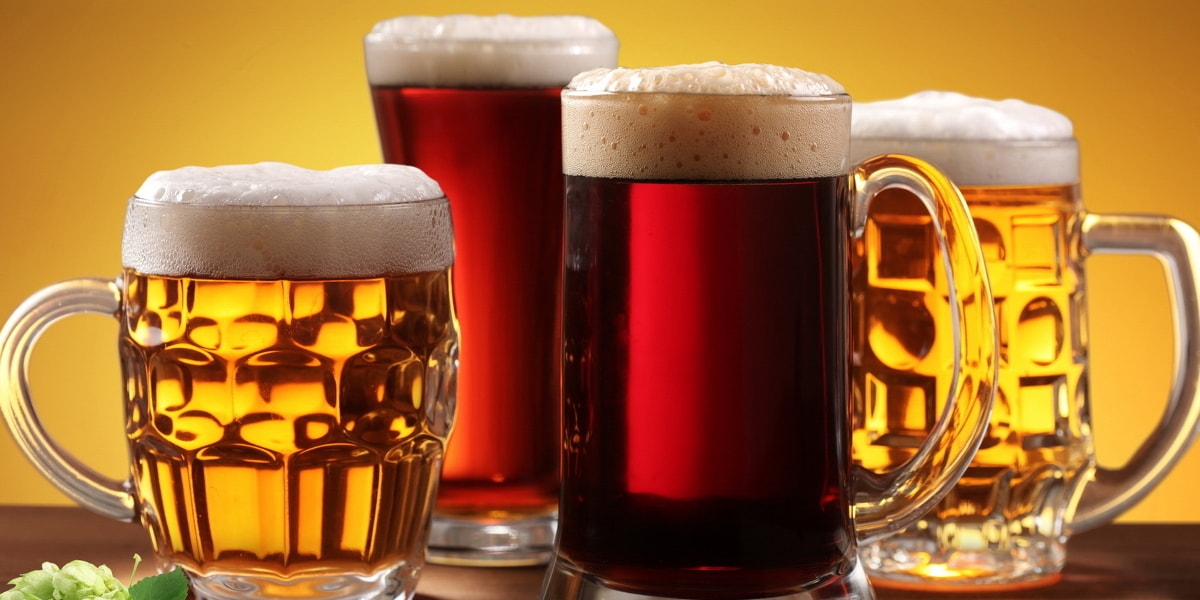
The company ‘Teplo-Polis’ has experience in supplying plate heat exchangers for the brewing industry.
Purpose:
- Cooler for beer wort
- Two-stage wort cooler (1st section – water, 2nd section – propylene glycol) using this scheme saves up to 85% of refrigeration machine energy.
- Three-section beer pasteurizer
- Four-section beer pasteurizer (2 cooling sections – water, propylene glycol)
- Five-section beer pasteurizer (2 cooling sections – water, propylene glycol, 2 heating sections – steam, water)
- Yeast cooler
- Green beer cooler
- Beer cooler before bottling
- Freon evaporator
Beer is a low-alcohol carbonated beverage obtained from malt, water, hops, and yeast through fermentation, but without distillation.
1.The main components for brewing beer are:
Malt
Malt is a product of artificial sprouting of grains of cereal crops. The main raw material for brewing beer is sprouted and dried barley malt produced under special conditions. Barley, compared to other cereal crops used in brewing, has significant advantages: it is undemanding to soil and climatic conditions and grows almost everywhere; it is easily processed when obtaining malt; the husks of crushed barley malt loosen the layer of grist, ensuring good wort filtration during the separation of the mash; the composition of barley malt, including its enzymes, allows for the production of beer with the best quality indicators. During the malt-making process, a special enzyme called diastase is formed in the grains. It can dissolve and break down starch-containing products into simple sugars, i.e., the saccharification process occurs. Maltose is obtained—a sugar capable of fermentation.
The malt-making process is divided into two stages. First, the grains are soaked to prepare them for germination. The second stage is the actual germination of the grain.
To impart the necessary properties and good storage stability, malt is dried at various temperature regimes until it reaches residual moisture content of 2–3.5%. Different temperature regimes and drying durations allow obtaining malt with different quality indicators and corresponding technological properties. The type of beer produced (pale, semi-dark, dark) depends on the quality of the initial malt.
Light malt
Light malt is obtained by drying sprouted barley for 16 hours with a gradual increase in temperature from 25–30 to 75–80°C. In its finished form, it has a light color, a sweet taste, a malty aroma, and high saccharification ability. It is used for most beer varieties.
At higher drying temperatures, various types of specialty malt are obtained: caramel, chocolate, and black malt.
Caramel mal
Caramel malt, also known as crystal malt, is a sweet malt of copper color that imparts a golden hue and nutty flavor to beer. It is commonly used in the brewing of darker beer styles. It is produced by roasting dry or green malt with a high sugar content at temperatures ranging from 120°C to 170°C. During this process, the grains are carefully roasted to avoid charring.
Chocolate malt
Chocolate malt is similar to black malt but is roasted for a shorter period, resulting in a chocolate brown color.
Black malt
Black malt is roasted at high temperatures until it reaches a very dark color. It is prepared from green malt by pre-moistening and then roasting it at temperatures ranging from 210 to 260°C.
After drying, the malt is cleaned of sprouts, as they impart a bitter taste due to the presence of the alkaloid gramine. Additionally, amino acids accumulate in the sprouts, which, when introduced into the wort, become a source of fatty acids during fermentation. The malt is ready for use only after 3-5 weeks of maturation in storage.
The finished malt is polished to remove any remnants of sprouts and impurities, passed through magnetic devices, and then fed into malt crushers. The degree of crushing of the malt affects the subsequent rate of starch saccharification, the extractiveness of the wort, and the duration of filtration.
Water
Water. First of all, brewing water must possess the qualities of drinking water in accordance with current regulations, meaning it should meet all sensory, physicochemical, microbiological, and chemical requirements imposed on it. Additionally, it must comply with a series of specific technological requirements for the brewing industry, the observance of which positively affects the beer production process. The salt composition and properties of water play a significant role in shaping the quality indicators of beer. The following parameters are controlled for water: hardness, active acidity (pH), taste and odor, mechanical and microbiological purity. Most processes in beer production proceed better or faster if the pH shifts towards the acidic range (pH 6 – 6.5). For the production of light beer, mainly soft water is used (0.1—1.8 mg-eq/dm3), while for dark beer, the water hardness can be higher (1.8—3.5 mg-eq/dm3). In hard water, hops provide a coarser bitterness, and the wort color becomes darker. Water hardness and its salt composition are regulated using various water treatment methods: reagent, ion exchange, electrodialysis, and membrane-based methods based on the principle of reverse osmosis.
Hops
Hops (Humulus lupulus L.) are perennial dioecious climbing plants belonging to the Cannabaceae family. In brewing, the cones of female plants are used, which contain bitter resins and essential oils that impart bitterness and aromatic properties to beer. Hops are cultivated in specific regions with suitable conditions. The main countries where hops are grown are Germany and the USA, followed by the Czech Republic and China.
Hop harvest takes place when the cones reach technical maturity, typically at the end of August, and it must be completed within 14 days. Harvesting involves freeing the stem from supporting wires and separating the hop cones (female inflorescences) with short stalks. Harvesting is usually done using hop-picking machines.
Freshly harvested hops have a moisture content of 75-80%. In this form, they cannot be stored and must be dried immediately. Drying is carried out on belt dryers, or on small-scale operations, in batches on racks. Hops are dried to a moisture content of 8-12% using gentle drying methods at temperatures not exceeding 50°C. Then the hops are packed, either pressed into bales or packaged in larger containers for storage. However, hops cannot be stored for long without losing quality. Oxidation, moisture, and heat can lead to a reduction in bitterness and other negative effects. Therefore, hops should undergo stabilizing treatment, which involves processing them into pellets or extract.
The composition of hops has a significant impact on the quality of the beer produced from them. In its dried form, hops consist of:
- Bitter substances: 18.5%
- Hop oil: 0.5%
- Tannins: 3.5%
- Protein: 20.0%
- Minerals: 8.0%
The hop cone, containing resins such as alpha acids and beta acids, as well as various oils, plays a crucial role in brewing beer. It’s the presence of alpha acids that gives beer its bitterness, while the oils provide aroma. Tannins and beta acids found in the cones act as natural stabilizers and possess disinfecting properties, which are essential.
European hop varieties produced in Bavaria and the Czech Republic are often referred to as “noble hops” for their unique aroma and mild bitterness.
To impart greater bitterness to beer compared to varieties containing noble hops, new hop varieties rich in alpha acids have been specifically developed.
The Magnum hop variety was developed in 1980 at the German Hop Research Institute in Huell, Germany, by crossing the Galena variety with wild hops. This resulted in the creation of the Magnum hop variety with alpha acid content ranging from 12-15%. Today, this hop variety is produced in Germany, the United States, and Belarus and is used as a bittering agent in brewing.
The Northern Brewer hop variety was developed in 1934 in England by crossing a male plant (OB21) with a female plant (Canterbury Golding). It is currently produced in Europe and America and is used as a dual-purpose hop, providing both bitterness and aroma.
The Hallertau Traditional hop variety, like Magnum, was developed in 1980 at the German Hop Research Institute in Huell, Germany. It imparts a clean, delicate, noble hop aroma to the beer.
Yeast
Yeast. As of today, special brewing yeast strains from the Saccharomycetaceae family are used, which do not occur naturally. They are artificially developed specifically for brewing. Depending on the fermentation process in beer production, two types of yeast are used:
- top-fermenting yeast (Saccharomycetaceae cerevisiae) – found in beer styles such as porter, ale, and stout;
- bottom-fermenting yeast (Saccharomycetaceae carlsbergensis) – used in the production of lager and Central European-style beers.
The difference between these types of beer yeast is that during the final stage of fermentation, top-fermenting yeast collects on the surface (floats), while bottom-fermenting yeast settles at the bottom of the wort. This noticeably affects the taste.
Brewer’s yeast, like all yeast, are single-celled organisms without chlorophyll. Morphologically, they belong to the class Ascomycetes, family Saccharomycetaceae, genus Saccharomyces.
Beer is a product of the biochemical activity of yeast. Along with the wort composition and process conditions, yeast plays a crucial role in all stages of beer production and affects the quality of the final product. The physiological state of yeast and the conditions of their activity are of great importance for beer production.
Brewer’s yeast, fermenting monosaccharides and maltose, are divided into two groups:
- Top-fermenting yeast ferment raffinose by one-third and form a non-settling suspension resembling dense foam on the surface of the fermenting liquid. That’s why yeast of this group are called top-fermenting, and the beer produced using them is referred to as top-fermenting beer. However, with modern brewing technologies, this characteristic may be absent in the production of top-fermenting beer: yeast settles at the bottom of the vessel by the end of fermentation. The fermentation process with top-fermenting yeast occurs at temperatures ranging from 10 to 25°C; at temperatures below 10°C, fermentation ceases, and the yeast settles to the bottom.
- Bottom-fermenting yeast completely ferment raffinose. After fermentation, the yeast aggregates into flakes and settles at the bottom of the fermenter. That’s why they are called bottom-fermenting yeast, and the beer produced using them is referred to as bottom-fermenting beer. Fermentation with bottom-fermenting yeast occurs at temperatures of 6-8°C and ceases at 0°C.
Unmalted materials
Unmalted (unmalted) materials,
Unmalted (unmalted) materials are typically high in carbohydrates and are used to increase extractivity, create specific flavors, and reduce the cost of beer. Currently, various types of unmalted materials are used for brewing different beer varieties, including rice grits, barley flour, barley and corn grits, soybeans, wheat, crushed barley, as well as beet sugar and glucose. The total amount of unmalted materials added can vary from 15 to 50% of the mass of barley malt (if the recipe does not include the addition of enzyme preparations, the amount of unmalted materials should not exceed 20%). Rice is used due to its high starch content (average of 68%) and the predominance of insoluble oryzin protein in its composition (about 70% of the total nitrogen compounds, which make up 7-9% of the grain mass). Corn is characterized by a high content of extractive substances (82-90%), predominance of insoluble proteins (zein and glutenin), and coagulation of the remaining proteins during boiling, which pass into the wort. Soy, containing saponin glycoside, is included in the recipe to improve foam formation and increase beer foam stability. Beet sugar and glucose are usually added during wort boiling with hops to give the beer the desired taste and alcohol content.
The main requirements for the quality of malt substitutes are purity and compliance with food raw material requirements. When using more than 20% of unmalted barley, the use of enzyme preparations is mandatory.
Enzyme preparations
Enzyme preparations (fungal malt), enzyme preparations (fungal malt), mainly derived from mold fungi such as Aspergillus oryzae, are commonly used in the production of beer from malt with the addition of unsaccharified raw materials. This is necessary because malt enzymes are deactivated during drying, and the enzymes from malt are insufficient for complete saccharification of the starch in the grain additives. The activity of these preparations exceeds that of malt enzymes in terms of saccharification capacity by 3-4 times, liquefaction by 8-10 times, dextrinization by 10-20 times, and proteolytic action by 15-20 times. Enzymes from the fungus Trichothecium roseum are also used for more active breakdown of endosperm cell walls.
2.Stages of beer production
2.1. A brief description of beer production technology
Malted barley is crushed in a roller crusher to achieve maximum uniformity and preservation of the husk. The crushed malt is cleaned and fed into a mash tun, where it is mixed with warm water (around 20°C) and stirred (mashed).
After mashing, a portion of the mash (about 40%) is transferred to another mash tun, where it is heated to the saccharification temperature (around 70°C), and then brought to a boil. During boiling, large malt particles dissolve, and the first wort is returned to the first vessel. When mixing the boiling portion of the mash with the mash remaining in the first vessel, the temperature of the entire mixture reaches 70°C. The mash is left to rest for saccharification.
After saccharification, a portion of the mash is again transferred to the second vessel (second run), heated to boiling to dissolve the malt. The second wort is returned to the first mash tun, where after mixing both portions of the mash, the temperature is raised to 75…80°C. Then the entire mash is transferred to the filtration vessel. The filtered wort flows into the wort boiling vessel, where it boils with hops. During boiling, some water evaporates, partial denaturation of wort proteins occurs, and the wort is sterilized. The hot hopped wort is drained into a hop separator, where boiled hop petals are retained, and the wort is transferred to a hot wort tank. The hot wort is fed into a centrifugal plate separator, where it is cleared of suspended particles of coagulated proteins.
From the separator, the beer wort is fed into a rapid cooling unit to reach 5…6°C. plate heat exchanger – wort chiller. Cooled wort is drained into a fermentation tank, where yeast is added. Fermentation lasts for 6 to 8 days. Upon completion of the primary fermentation, the young beer is separated from the yeast and transferred to a tank for conditioning (maturation, aging) for 11 to 90 days. After conditioning, the beer is pressurized with carbon dioxide and pumped into a separator – clarifier and filter, where it is freed from suspended yeast, other microorganisms, and fine particles. The clarified beer is then transferred to the clarified beer is then passed through a plate pasteurizer (heat exchanger), where it is saturated with carbon dioxide in a carbonator if necessary, and then sent to the bottling line.

We briefly described the beer brewing process. Let’s move on to a detailed description.
2.2. The stages of the brewing process
2.2.1 Milling
Grain is cleaned of coarse impurities and dust. After that, the grain is milled. As a result of milling, a mixture of husks, grits, and flour is obtained.
2.2.2 Mashing
Mashing is the process of mixing crushed grain products with water, followed by the subsequent holding of the resulting mash at specific temperature intervals, with the aim of breaking down complex grain components into simpler ones and dissolving them in water. Grain products include malt itself and unsalted grains such as barley, wheat, corn, etc. The enzymes present in the grain are activated in water and break down large grain substances into smaller ones. The smaller substances dissolve in water, forming a solution called wort. Without enzymes, we would not obtain wort. During mashing, starch goes through three stages: gelatinization, liquefaction, and saccharification. Essentially, starch hydrolysis (saccharification) involves the liquefaction of starch gel, accompanied by the accumulation of dextrins, maltose, and glucose in the medium.
Schematically, starch hydrolysis can be represented as follows: Starch —> Amylodextrins -> Erythrodextrins -> Achrodextrins -> Maltodextrins -> Maltose -> Glucose.
The saccharification process is monitored by the iodine reaction, as starch and dextrins produce different colors with iodine: starch and amylodextrins give a blue color, erythrodextrins give a reddish-brown color, while achrodextrins and other hydrolysis products do not change the color of the iodine solution.
2.2.3 Filtration
The mass is then transferred to a filter tank, where the grain bed settles on a perforated bottom, and the liquid becomes clear and is directed into the brewing kettle. The sweet amber liquid obtained after filtration is called wort. The remaining grain residue (spent grain) from the filtration process is used as animal feed.
2.2.4 Boiling
The wort is transferred from the filter tank to the brewing kettle and brought to a boil. During boiling, hops are added, which impart bitterness and aroma to the wort. Typically, hops added early in the boiling process impart sharpness and light bitterness to the beer. Adding hops towards the end of the boiling process enhances aroma and softens bitterness. Hops also act as a natural preservative, increasing the shelf life of the beer.
Crushed grain products always contain some microorganisms. Sterilization of the wort is achieved after just 15 minutes of boiling due to the acidic reaction of the wort.
During boiling, a significant portion of the carbohydrates, proteins, bittering agents, tannins, aromatic compounds, and minerals from the hops transfer into the wort. Aromatization of the wort occurs as specific components of the hops dissolve in it.
As the wort temperature increases, protein denaturation occurs, characterized externally by the appearance of trub. Boiling the wort with hops reduces its viscosity and increases its color.
2.2.5 Separation of Wort from Hop Residue
Immediately after boiling, the wort is freed from hops in the hop separator, which is positioned beneath the brewing kettle. About 6-7 liters of wort per 1 kg of hops remain in the hop residue, so it is rinsed with hot water for additional leaching of hop extractives, and the rinse water is added to the wort. Then the hop residue is discarded as waste, along with a significant portion of coagulated proteins.
2.2.6 Clarification and Cooling
After boiling, the wort is transferred to a whirlpool vessel (hydrocyclone), a cylindrical vessel where the wort is spun and protein flakes are collected in the center. After separating the protein in this way, the clear wort is passed on for cooling and aeration. The wort is cooled from a temperature of about 100°C to 15°C.
In hot hopped wort, oxygen is absent but there are coarse suspensions formed during boiling with hops. The presence of suspensions negatively affects the wort fermentation process and the colloidal stability of beer. During wort cooling, coarse suspensions settle, and the wort becomes saturated with oxygen from the air, which promotes yeast propagation and complete protein precipitation.
Hot hopped wort is cooled to the initial fermentation temperature. Depending on the type and method of fermentation, the initial temperature of this process varies.
Wort at low fermentation temperatures is a favorable environment for microorganism growth. The greatest risk of wort contamination occurs during its slow cooling from 40 to 20°C, as these temperatures are most favorable for the growth of harmful microorganisms in beer. The solution to this problem is the use of disassembled plate heat exchangers, where the wort is cooled instantly. Later, when yeast is added to the wort, the risk of contamination decreases.
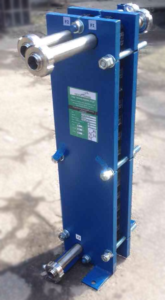

We can designing and manufacturing a plate cooler for beer wort for the following temperature regimes:
- cooling of beer wort from 90 degrees Celsius to 25 degrees Celsius (using water as the cooling fluid);
- cooling of beer wort from 90 degrees Celsius to 5 degrees Celsius (here, two types of cooling fluids are used – water and propylene glycol);
- cooling of beer wort to temperatures specified by the customer (in this case, we engage in a dialogue with the customer to clarify the capabilities of their equipment).
Many customers use water for cooling beer wort, which goes into the brewing kettle. This option allows for saving energy resources needed to heat water for brewing wort.
2.3 Fermentation
The fermentation process involves the yeast digesting the sugars in the wort, producing ethanol and carbon dioxide as the main products of the process.
Production of bottom-fermented beer.
The cooled wort is inoculated with specific yeast cultures. During the initial stage of fermentation, the yeast cells multiply, increasing their population several times. As the nutrients in the environment decrease and alcohol accumulates, yeast activity diminishes. They then clump together, settle to the bottom of the cylindroconical tank (CCT), which is the vessel where fermentation occurs.
Active fermentation takes about a week, after which the temperature in the CCT is lowered from 15°C to 0°C. Cooling causes the yeast to settle more densely at the bottom of the CCT.
The settled yeast is removed from the bottom of the CCT and collected in yeast collection vessels. From there, they can be reused (several times) by adding them back into fresh wort for a new fermentation process. The lifespan of yeast during one fermentation cycle is referred to as a generation. Yeast that has completed fermentation in wort multiple times, for example, three times, is called third-generation yeast.
2.3.1 Processes Occurring During Main Fermentation
Most of the wort extract consists of carbohydrates, about 75% of which ferment (fermentable sugars). Part of the extract consists of non-fermentable substances, including dextrins, proteins, minerals, etc. During alcoholic fermentation in the wort, biological, biochemical, and physicochemical processes occur. Nutrients entering the yeast cells from the wort are converted by enzymes into various intermediate products, used for alcoholic fermentation and yeast growth. The most intense yeast proliferation (biological process) occurs at the initial stage of wort fermentation and ends long before the end of fermentation.
The main biochemical process of fermentation is the conversion of fermentable sugars into ethyl alcohol and carbon dioxide, described by the Gay-Lussac equation: C6H12O6 = 2C2H5OH + 2CO2 + 234.5 kJ/mol.
From 180.1 g of glucose, 92.1 g of ethyl alcohol and 88 g of carbon dioxide can be obtained. However, in addition to these primary products, some sugar is used to form secondary by-products, resulting in approximately 87 g of ethyl alcohol from sugar.
Sugars ferment in a certain sequence, which is determined by the rate of their penetration into the yeast cell. Free fructose and glucose ferment first, while sucrose and maltose are hydrolyzed by yeast enzymes into glucose and fructose. About 2% of sugars are used for yeast cell building.
As a result of sugar fermentation, primarily under aerobic conditions, wort is transformed into young beer. During conditioning, when the temperature of young beer decreases in the fermentation vessel, excess pressure is created, and fermentation conditions become close to anaerobic. Yeast cell proliferation during this time is sharply limited, and fermentable sugars are mainly used to produce alcohol and carbon dioxide.
Fermentation is accompanied by a change in wort pH: in young beer, the pH is 4.2-4.6 (acidic environment), which is due to the formation of carbon dioxide and organic acids, primarily lactic and acetic. The greatest pH decrease occurs on the third day of fermentation.
During wort fermentation, dissolved protein substances partially denature, then flocculate (aggregate), and settle. During main fermentation, as proteins settle and yeast assimilates nitrogenous substances, their content in fermenting wort decreases by about one-third.
Polyphenolic substances also precipitate during fermentation. The formation of ethyl alcohol, esters, and pH reduction contribute to the precipitation of high molecular weight wort compounds.
Carbon dioxide, which forms during fermentation, first dissolves in fermenting wort, and then (after saturation) begins to evolve in the form of bubbles, on the surface of which surface-active substances (proteins, pectin, hop resins) adsorb. Gas bubbles coated with these substances coalesce and form a layer of foam on the surface of the wort. At a certain stage of fermentation, the appearance of the foam takes on a curly form, which characterizes a specific fermentation stage.
2.3.2 Main fermentation management
2.3.3 Stages and conditions of fermentation
The main fermentation proceeds through several stages, which differ in the appearance of the fermenting wort surface, as well as in the changes in extractivity and the degree of clarification of the young beer.
In the first stage of fermentation, called “bloom,” a strip of pale foam appears on the surface of the fermenting wort at the periphery. This stage lasts for 1-1.5 days and is characterized by intense budding and multiplication of yeast cells. During this stage, the extractivity of the wort decreases by 0.2 to 0.5% per day; pH decreases by 0.15-0.2, and the temperature rises by 0.2-0.3°C per day.
The second stage of fermentation, known as the “period of low curls,” is characterized by more intense release of carbon dioxide, the formation of dense, compact foam that rises, and which externally represents curls of beautiful shape. The foam, initially white, gradually darkens due to oxidation of hop resins and partial dehydration. The extractivity of the wort in this stage decreases by 0.5—1% per day; pH at the end of the stage becomes 4.9-4.7 (initially 5.6); temperature rises by 0.5-0.8°C per day. The stage lasts 2—3 days.
The third stage of fermentation is the “stage of high curls,” characterized by the greatest intensity of fermentation and the maximum temperature of the process. The loss of extract reaches 1-1.5% per day. The foam becomes loose, voluminous, curls reach their maximum size, the upper parts of the curls have a brown color, the lower parts are white, pH decreases to 4.6-4.4. Yeast multiplication ceases due to lack of oxygen and decreasing nutrients. The stage lasts 3-4 days. Cooling of the wort is necessary at the beginning of this stage.
In the fourth stage, known as the “stage of curl precipitation or deck formation,” the foam settles, the curls disappear, resulting in a thin layer of deck covering the surface of the wort. Curl precipitation continues for 2 days. The extractivity of the fermenting wort decreases by 0.5-0.2% per day. Yeast multiplication and fermentation cease.
Each stage of fermentation corresponds to changes in the chemical composition of the wort and a certain concentration of yeast cells. For example, during the fermentation of wort for beer with an initial wort concentration of 11% (e.g., Zhigulevskoye), the yeast cell content in suspension will be as follows:
| Fermentation Stage | The content of yeast cells, million/cm3 |
| Original Wort | 20-25 |
| Frothing | 60-50 |
| Low curls | 60-50 |
| High curls | 30-25 |
| Formation of the deck | 16-5 |
| Clarification | 3,5-1,5 |
For wort with a higher mass fraction of dry substances, the number of yeast cells in the initial wort is increased to 30-40 million/cm3.
As fermentation proceeds and the pH of the wort decreases, yeast cells are covered with a mucous film of substances possessing adhesive properties. Clumping together, they settle to the bottom of the vessel. After yeast sedimentation, fermentation stops, and the beer becomes clearer. At this point, the main fermentation process is considered complete. The resulting product is called young beer.
During alcoholic fermentation, 1 kg of fermented sugar releases 560.8 kJ of heat, which leads to an increase in the temperature of the wort. To maintain a specific temperature regime in the wort, chilled water at a temperature of 0.5 °C is circulated through coils installed inside the fermentation vessels. Instead of coils, cooling jackets welded to the outer walls of the fermentation vessel are sometimes used. This cooling system is more convenient and economical.
The highest temperature of the wort is reached around the 3rd day of fermentation, and it is maintained at this level for 1-2 days if possible, without fluctuations. Then, the young beer is gradually cooled at a rate of 1°C per day, as yeast is quite sensitive to sudden temperature drops.
It is known that the solubility of CO2 increases with decreasing temperature. Therefore, to maintain the maximum possible concentration of dissolved gas in the young beer, the temperature is reduced to 5-4°C before transferring the beer for conditioning. The carbon dioxide content in young beer typically amounts to about 0.2%.
During primary fermentation, most of the extractive substances are converted into fermentation products. The progress of this process is monitored based on the degree of attenuation. Visible and actual degrees of attenuation are distinguished. To regulate the fermentation process by stages, the concept of “apparent final attenuation” (AFA) has been introduced, i.e., the maximum possible degree of attenuation. In the fermentation process, the final degree of attenuation is not achieved; for example, for light beer varieties, the apparent final attenuation is 77-82%.
Young beer transferred to the conditioning cellar should contain about 1% fermentable extract to achieve the necessary carbonation during conditioning.
In finished beer, leaving too much fermentable extract is undesirable. The smaller the difference between the degree of attenuation of the finished beer and the apparent final attenuation, the greater its biological stability. If there is a significant difference between these values, microorganisms in the finished beer will proliferate on the fermentable substances, forming haze, thus reducing its biological stability and taste qualities.
The primary fermentation process lasts about 7 days from the introduction of yeast for beer varieties with an initial extract content of 11-13% and 8-10 days for varieties with higher extract content. For example, wort with an initial extract concentration of 11% ferments for 7 days, while wort with a density of 20% ferments for 11 days. When fermenting wort with a high extract content, both the initial and maximum fermentation temperatures increase.
The progress of primary fermentation in production is assessed by the change (reduction) in the content of extractive substances in the fermenting wort. Their quantity is determined once a day using a saccharometer. The apparent degree of attenuation for light beer varieties is 59-68%, and for dark varieties, not exceeding 60%.
Before transferring young beer for conditioning, the surface of beer fermented in open vessels is skimmed, while in closed vessels, the surface is not skimmed because oxidation processes are almost absent, resulting in significantly less foam formation compared to open vessels, and it does not darken.
After primary fermentation is complete, young beer at a temperature of no more than 5°C is pumped into closed fermentation vessels for conditioning and maturation, while settled yeast is collected in a receiving vessel for washing and preparation for reuse in the next cycle of primary fermentation.
2.4 Maturation
2.4.1 Processes occurring during conditioning and maturation
During conditioning and maturation, the same processes occur as during primary fermentation, but at a slower pace due to the significantly lower temperature (0-2°C) compared to primary fermentation, and lower concentration of yeast cells.
During conditioning and maturation of beer, the following main processes take place: carbonation, clarification, maturation (oxidation-reduction transformations).
2.4.2 Carbon dioxide saturation
Young beer contains about 0.2% CO2. During maturation, this amount needs to be increased to such a level that after filtration, the finished beer retains no less than 0.3% of it. The fermentation of the remaining extract in young beer is the source of additional carbon dioxide formation.
The solubility of CO2 in beer is directly proportional to pressure. As the temperature decreases, the solubility of CO2 increases. The dissolution of carbon dioxide occurs slowly, and some of it does not have time to dissolve, accumulating above the surface of the beer, creating excess pressure in the fermentation vessel ranging from 0.03 to 0.07 MPa, known as spunding.
Carbon dioxide is present in beer both in dissolved form and in bound form (with components of the extract).
2.5 Clarification
During conditioning, young beer is introduced, containing some yeast cells and other suspended matter. When cooled to 0-2 °C in the conditioning vessel, substances that were tightly bound to the solution during primary fermentation (at 5-8 °C) are released. At the end of conditioning, spent yeast settles under the influence of excess pressure and accumulated CO2, carrying various suspended matter to the bottom of the vessel. The beer gradually becomes lighter. Beer doesn’t undergo complete clarification during conditioning, but any remaining haze is easily removed during subsequent filtering or separation. After conditioning and maturation, to achieve a commercial appearance and desired clarity, beer undergoes clarification through separation or filtration. This removes yeast cells, proteinaceous and polyphenolic substances, hop resins, heavy metal salts, and various microorganisms. The chemical composition of beer changes slightly after clarification: color intensity decreases somewhat because some coloring substances adsorb onto filtering materials, some carbon dioxide is lost, and viscosity decreases due to the removal of some colloidal substances. Clarification at low temperatures is slow but yields more stable beer with a soft flavor (beer stability is the shelf life of beer in terms of clarity and taste, expressed in days from the time of packaging). Clarified beer is cooled in a plate heat exchanger (beer chiller), additionally carbonated with carbon dioxide, and packaged.
2.6 Maturation
During maturation, due to oxidative-reductive reactions catalyzed by oxygen, the indicators that determine the specific bouquet of young beer disappear (yeast flavor, hop bitterness). The content of diacetyl for light beer varieties decreases by 40-50%, and the oxidative-reductive potential decreases to 10.
Diacetyl serves as a criterion for determining beer maturity. In finished beer, the diacetyl content should not exceed 0.1 mg/dm3.
Currently, there are no scientifically substantiated criteria characterizing beer maturation. Mostly, the readiness of beer is assessed based on sensory indicators. It has been established in practice that both slightly aged young beer and over-aged beer have a poor taste and low stability.
Different types of beer, after a certain period (usually 15-90 days), reach their best quality with sufficient saturation with bound carbon dioxide, good clarification, the necessary degree of fermentation, a soft and pleasant taste.
The progress of beer maturation and aging processes is judged by the decrease in extract quantity, increase in carbon dioxide and alcohol content, degree of clarification, as well as by aroma, taste, and foaming of samples taken from the maturation vessel. The degree of fermentation of the extract is also taken into account.
2.7 Filtration
Yeast beer does not store well; within an hour of being poured into a glass, its taste changes completely. In hermetically sealed metal barrels (kegs), such beer can be stored for no more than a week. Therefore, the beer is filtered. It becomes transparent and clear but significantly loses in taste and utility. Such beer can already be sold from barrels, as it can be stored in them for up to a month.
After chemical analysis and confirmation of the readiness of the beer, it is filtered. First, the beer passes through a separator, where residues of yeast that have not settled to the bottom of the fermentation tank are removed.
The next stage of filtration is pressing the beer through a layer of kieselguhr (diatomaceous earth), vertically arranged on cardboard sheets. The beer passes through this fine floury sand layer, while all suspended particles (remaining yeast cells, large proteins, foam particles, etc.) remain in the kieselguhr layer. Kieselguhr is a porous sedimentary rock consisting of silicon skeletons of marine algae – diatoms. Kieselguhr has powerful adsorption properties.
After the kieselguhr filter, the beer undergoes two more stages of fine filtration. Invisible to the eye substances that may later cause beer cloudiness in the bottle – polyphenols, are removed from the beer. For clarity, gloss, and increased storage stability, the beer is additionally filtered on filter presses using special types of cardboard.
2.8 Pasteurization
The beer goes to the bottling line, passing through a continuous pasteurizer (a three-section plate heat exchanger with a holding tube). In the pasteurizer, the beer is rapidly heated to 67-72°C, held at this temperature for about half a minute, and then rapidly cooled. Such minor heat treatment does not affect the taste of the beer but effectively sterilizes the product.
In unpasteurized beer, changes in taste can occur within a few days due to the activity of foreign microorganisms.
2.9 Bottling
After pasteurization, the beer is transferred to the bottling block. The beer is filled into kegs, glass bottles, and PET bottles. The containers are washed with cleaning agents according to the type of container, and kegs are treated with steam before being fed into the bottling line.
Bottle washing is carried out in bottle washing machines with hot water at a temperature of 80-85°C and the addition of caustic soda. After exiting the bottle washing machine, the bottles are rinsed with fresh water. Bottling is done under excess pressure of 0.05-0.3 MPa, and the temperature of the beverage should not exceed 3°C, as lowering the temperature increases the solubility of carbon dioxide. Glass bottles are sealed with crown caps with a sealing gasket. Then, the bottle is directed to a tunnel pasteurizer, where it is gradually heated to a temperature of 68°C, and then slowly cooled.
After capping, the bottles undergo quality control on a defect detection machine and labeling.
Types of Beer
By the method of production, namely the type of fermentation, beer is divided into two main types – Ale and Lager.
Ale
Ales are essentially direct descendants of ancient beer. In their preparation, the process of top fermentation is used at room temperature, not exceeding 25°C. A characteristic feature of classic Ales is considered the absence of hops in the recipe. This type of beer gained the greatest popularity in the territory of modern Great Britain.
Ale is characterized by increased alcohol content and a subtle fruity flavor. Typically, it takes about four weeks to produce, but there are varieties that require at least four months to make. It is worth noting that in the production of modern Ales, brewers often practice the addition of hops, giving the drink a slightly bitter taste.
Varieties of Ale include: Barley Wine, Wheat (Weizen Weisse), Porter, Stout, White (Weisse), Bitter, and Lambic.
Barley Wine.
The characteristic feature of this dark beer is its quite high density and significant alcohol content. It has a rich burgundy color and a slight vinous taste, which earned it its second name – Barley Wine.
Wheat Beer (Weizen Weisse).
This type of Ale has gained the greatest popularity in southern Germany. It is brewed as both light beer (Weizen Weisse) and its dark counterpart (Dunkel Weizen). It has a low hop content, and thanks to the use of specific yeast strains, the beer acquires a taste of aromatic cloves. The yeast sediment remains in suspension, giving the beer its characteristic cloudy appearance.
Porter.
This is one of the most popular varieties of dark Ale. Its color can range from light brown to dark brown. When held up to the light, porter can be either completely opaque or have a ruby hue. The aroma is dominated by malty notes with pronounced roastiness. This beer has a significant alcohol content and high density. The name “Porter” comes from a combination of two words, “Porter’s Ale,” which literally means “the Ale of porters,” as it was particularly popular among individuals of this profession.
Stout.
This variety of beer belongs to the darkest types, especially its variation called Extra Stout. The most famous representative is the renowned Guinness. In its production, roasted and regular malt are used. Stout is traditionally brewed in the United Kingdom, and its production in other countries is quite rare.
White (Weisse).
This type of ale is most popular in Germany. It gets its name from its characteristic cloudy color. This wheat beer is made using top fermentation and has a low alcohol content. In addition, it is characterized by abundant foam and a slightly sour taste, which is a result of the fermentation processes of lactic acid bacteria.
Bitter.
This type of beer encompasses several varieties of light beer. Its shade can vary from light yellow to pale. It is made using light barley malt with the addition of a large amount of hops. Thanks to this, Bitter has a characteristic bitterness and a long hoppy aftertaste.
Lambic.
This ale is traditionally Belgian and falls under the category of “wild fermentation” beers. It’s a natural form of fermenting wort, meaning yeast cultures enter it from the surrounding air. Often, raspberries or cherries are added to this beer, giving it a tangy fruity flavor.
Lager
The second main type of beer is Lager, which firmly holds the leading positions in global sales volumes. In terms of production, Lager fundamentally differs from ale. Lager is produced using bottom fermentation, followed by secondary fermentation at a lower temperature, which lasts for several months.
Lager is primarily light in color, but dark lagers also exist. Thanks to the small amount of added hops, this beer has a light, mild taste. Lager includes such main types as Pilsner, Maerzen, Bock, Dry, Rauch, Ice Beer, and Draught.
Pilsner.
The birthplace of this type of Lager is Bohemia, the present-day territory of the Czech Republic. It is named after the city of Pilsen. Pilsner is a type of light, transparent beer. It typically has a light yellow hue and low density. This is a very common type of beer with a characteristic floral bouquet.
Maerzen.
This beer belongs to the dark types of Lager, it has an amber hue and is characterized by a high alcohol content. It also has a second name, namely – Munich strong amber beer. Traditionally, it is brewed in March of each year, after which it is aged and consumed at the famous beer festival, Oktoberfest, held in Germany.
Bock.
The classic Lager Bock beer is brewed at the end of summer when hops and malt are at their peak ripeness, thus ensuring the best quality. This type of beer has gained the most popularity in modern-day Germany. After brewing, it is stored throughout the winter in special vessels and consumed during spring festivities. Lager Bock is divided into light, dark, and strong varieties, the latter being called Doppelbock.
Dry.
This type of Lager is characterized by low density, a high hop content, and relatively high alcohol content. Dry Lager is a light beer in which malt enzymes and sugar are fully converted into alcohol. It emerged relatively recently, in the 1970s, in Switzerland and Germany. Thanks to its composition, it is not contraindicated for people with diabetes.
Rauch (Smoked).
As the name suggests, this beer has a taste characteristic of smoked foods. This flavor is achieved by roasting the malt over beechwood. Rauch has low density and moderate alcohol content. This type of beer is most commonly found in Germany and is often served with barbecue, various smoked meats, or spicy cheeses.
Ice Beer.
This type of beer is believed to originate from Canada. It gets its name from the brewing process: after it is brewed but before final fermentation, the beer is rapidly cooled to almost 0°C. Then, the ice crystals that form are removed from the beer, resulting in increased alcohol content and a light taste.
Draught.
This type of beer does not undergo pasteurization. Its shelf life is limited, and it is often referred to as “live beer.” It is poured into kegs or bottles and stored or transported at lower temperatures. Occasionally, this type of beer undergoes minimal filtration, which can partially replace pasteurization.
How to buy heat exchangers for beer production in Europe
The enterprise «Teplo-Polis» has vast experience in supplying heat exchangers for the brewing industry. We offer food-grade chillers for wort and beer, heaters for wort and beer, as well as beer pasteurizers with a recuperation section and aging vessels at a competitive price.
Our heat exchangers at “Teplo-Polis” are manufactured in food-grade materials. The plates, connectors, and gaskets are all made of stainless steel. The sealing materials used are EPDM and NBR rubber.
You can purchase our products by calling us at +38 (050) 432-75-80, +38 (050) 301-86-65, +38 (068) 301-86-65, +38 (073) 301-86-65, or by filling out the online inquiry form.
P.S.
Last Updated on by Микола Фролкин